
Introduction

In recent years, lab-grown gemstones have taken the jewelry world by storm, captivating both gem enthusiasts and eco-conscious consumers alike. These stunning alternatives to traditional stones offer a unique blend of beauty and ethical considerations, making them an appealing choice for many. With advancements in technology, the diamond growing lab has perfected the art of creating exquisite cultured diamonds that rival their natural counterparts.
Discovering Lab-Grown Gemstones
Lab-grown gemstones are created through scientific processes that mimic the natural formation of stones in the Earth. This means that what gemstones can be lab grown includes not only diamonds but also a variety of other precious stones such as sapphires, rubies, and emeralds. As consumers become more informed about their choices, these laboratory diamonds are gaining popularity for their quality and value.
Differences Between Natural and Lab-Grown
One of the key differences between natural and lab-grown gems lies in their origin; while natural stones are mined from the earth over millions of years, created lab diamonds can be produced in just weeks or months. Additionally, lab-produced diamonds possess identical physical and chemical properties to those formed naturally, making it hard to distinguish between the two without specialized equipment. This has led many to question traditional perceptions of value when it comes to purchasing diamond jewelry.
Benefits of Choosing Lab-Created Gems
Choosing lab-created gems offers numerous benefits beyond just aesthetics; they often come at a lower price point compared to their natural counterparts while providing exceptional quality. Furthermore, buying lab-grown diamond jewelry is a sustainable choice that minimizes environmental impact by reducing mining activity and its associated ecological footprint. With options like customization available through retailers like DEDEJILL, consumers can embrace individuality without compromising on ethics or style.
What Are Lab-Grown Gemstones?
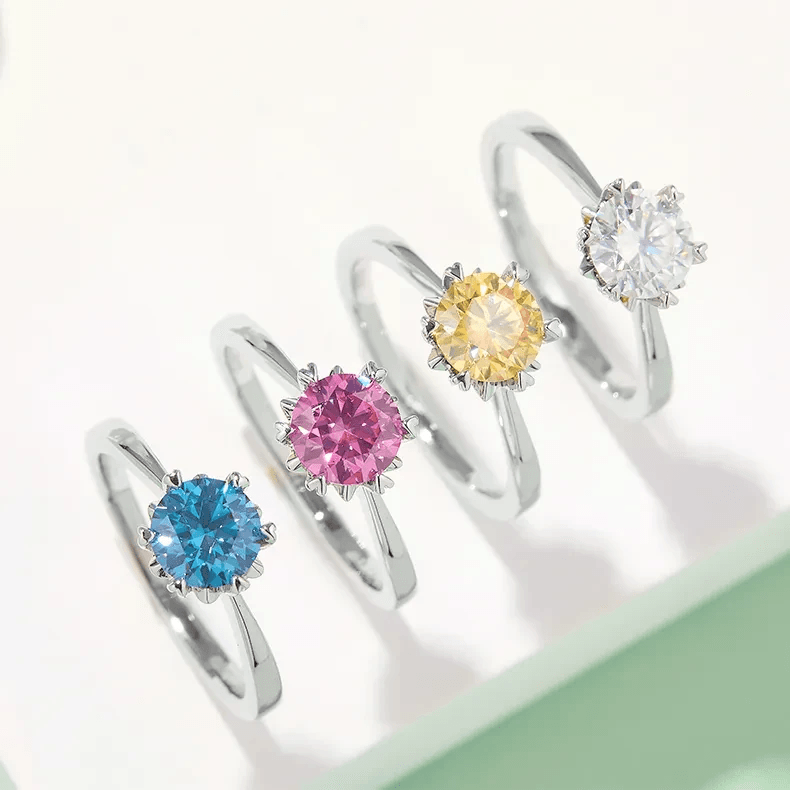
Lab-grown gemstones are a marvel of modern science, allowing us to enjoy the beauty of natural stones without the environmental and ethical concerns often associated with mining. These gems are created in controlled environments, mimicking the natural processes that form their counterparts deep within the Earth. By understanding what gemstones can be lab grown, consumers can make informed choices that align with their values.
Understanding the Creation Process
The creation process for lab-grown gemstones involves advanced technological methods such as High Pressure High Temperature (HPHT) and Chemical Vapor Deposition (CVD). These techniques replicate the conditions under which natural diamonds and other gems form, producing stunning results that are virtually indistinguishable from mined stones. Whether you're interested in cultured diamonds or other precious stones, knowing how they’re made adds a layer of appreciation to your purchase.
In a diamond growing lab, carbon atoms are subjected to extreme heat and pressure or vaporized in a gas chamber to create laboratory diamonds that possess all the brilliance of their natural counterparts. This meticulous process not only ensures high-quality gems but also allows for consistent production without depleting Earth's resources. The result? A dazzling array of lab-produced diamonds and other gemstones available for jewelry lovers everywhere.
Science Behind Cultured Diamonds
Cultured diamonds, also known as laboratory diamonds or lab-created diamonds, share the same physical and chemical properties as mined diamonds. They consist of pure carbon arranged in a crystal structure that gives them their signature sparkle and durability. The science behind these gems is fascinating; they undergo similar geological processes but do so within weeks rather than millions of years.
Moreover, lab grown diamond jewelry often comes with certifications confirming its authenticity and quality—something you might not always get with natural stones. This transparency allows buyers to feel confident about their choices while still enjoying luxurious pieces at more accessible price points. With growing awareness about what gemstones can be lab grown, many people are opting for these scientifically crafted beauties over traditional options.
Common Misconceptions About Lab-Created Gems
Despite their rising popularity, several misconceptions about lab-created gems persist in public discourse. One common myth is that cultured diamonds lack value compared to mined ones; however, this couldn’t be further from the truth! Lab produced diamonds have unique qualities that make them just as desirable—if not more so—than their naturally occurring siblings.
Another misconception is that lab-grown gemstones are inferior in quality or appearance; yet countless jewelers attest to how stunning these creations can be! In fact, many prefer created lab diamonds due to their ethical sourcing and environmentally friendly production methods. By debunking these myths around what gemstones can be lab grown, consumers can embrace this modern alternative with confidence.
A Look at Popular Lab-Grown Gemstones
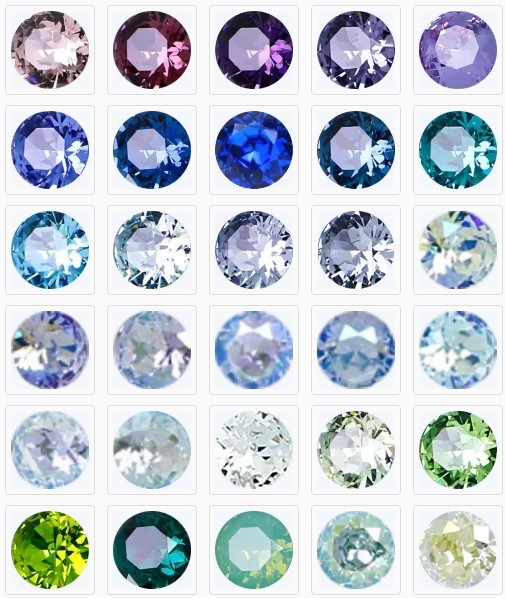
Lab-grown gemstones are captivating the jewelry world, and for good reason! Among them, cultured diamonds stand out as the most popular choice, but they’re not alone. Let’s dive into what gemstones can be lab grown and explore the fascinating options available.
Exploring Cultured Diamonds
Cultured diamonds, also known as laboratory diamonds or lab-produced diamonds, have taken the market by storm. These gems are created using advanced technology that replicates the natural diamond formation process found deep within the Earth. With their identical chemical and physical properties to mined diamonds, it’s no wonder that lab diamonds are becoming a preferred choice for many consumers seeking ethical and environmentally friendly options.
When you choose lab-grown diamond jewelry, you’re not just opting for beauty; you’re also making a statement about sustainability. Unlike natural stones that often come with a hefty price tag and questionable sourcing practices, cultured diamonds offer an affordable alternative without compromising on quality or brilliance. So whether you're looking for a sparkling engagement ring or simply want to treat yourself to something special, these gems are definitely worth considering.
Other Precious Stones Available
While cultured diamonds may be leading the charge in popularity, there’s a whole rainbow of other precious stones that can be lab grown too! From vibrant sapphires to stunning emeralds and rich rubies, what gemstones can be lab grown is truly diverse. Each of these gems brings its own unique flair to jewelry collections while maintaining ethical production standards.
Lab-produced sapphires shine with vivid colors that rival their natural counterparts, making them ideal for various types of jewelry from earrings to necklaces. Similarly, created lab emeralds boast an enchanting green hue that captures attention without any environmental guilt associated with traditional mining practices.
Unique Features of Created Lab Diamonds
Created lab diamonds have some unique features that set them apart from their mined relatives beyond just being eco-friendly! One standout characteristic is their flawless quality—many laboratory diamonds achieve clarity levels that are hard to find in nature due to fewer inclusions during their creation process in a diamond growing lab. This means you can enjoy breathtaking sparkle without worrying about visible flaws.
Additionally, because these laboratory-created gems can be produced more efficiently than mined stones, they often come at a lower price point without sacrificing size or beauty—making them an attractive option for savvy shoppers! Plus, customization options abound when it comes to designing your perfect piece of jewelry featuring these dazzling stones; from cuts and settings to carat weight and color variations—lab-grown diamond jewelry allows you express your individuality like never before.
The Environmental Impact of Lab-Grown Gemstones

The rise of lab-grown gemstones, particularly lab diamonds, has sparked a fascinating conversation about sustainability in the jewelry industry. As consumers become more environmentally conscious, they are increasingly curious about what gemstones can be lab grown and the impact their choices have on the planet. Lab-produced diamonds and other created lab diamonds present an eco-friendlier alternative to traditional mining practices that often lead to significant ecological damage.
Sustainability in the Jewelry Industry
Sustainability is a hot topic in today's jewelry market, and lab-grown diamond jewelry is leading the charge towards greener practices. Unlike mined diamonds that require extensive land disruption and resource consumption, laboratory diamonds are created using advanced technology that minimizes environmental harm. This shift not only helps preserve natural habitats but also reduces carbon emissions associated with mining operations.
Furthermore, many consumers are now asking what gemstones can be lab grown beyond just diamonds. The answer includes a variety of beautiful options like sapphires, rubies, and emeralds—all produced under controlled conditions that ensure minimal environmental impact. By choosing these gems, buyers actively support sustainable practices while enjoying stunning pieces that rival their natural counterparts.
Reducing Ecological Footprint
One of the most compelling reasons to consider lab-created gems is their potential to significantly reduce our ecological footprint. Traditional gemstone mining often involves harmful processes such as deforestation and water pollution—issues that cultivated alternatives aim to address head-on. With laboratory-produced diamonds, for example, the energy used during creation can be sourced from renewable resources, further decreasing overall environmental impact.
Moreover, by opting for created lab diamonds or other cultured stones, consumers help decrease demand for mined gems—thereby reducing pressure on ecosystems already facing threats from over-extraction. This conscious choice not only benefits our planet but also encourages industries to adopt more sustainable practices across the board. In essence, embracing lab-grown options means making a positive statement about environmental stewardship.
Ethical Considerations in Sourcing
Ethics play a crucial role when discussing gemstone sourcing today—and this is where lab-grown options shine brightly! Unlike some mined gemstones associated with conflict or exploitative labor practices—often referred to as blood diamonds—lab-created stones come from transparent supply chains free of such controversies. Consumers can rest assured knowing their beautiful pieces were crafted ethically without contributing to human rights violations or environmental degradation.
Moreover, when exploring what gemstones can be lab grown, buyers discover an array of ethically sourced alternatives that align with their values while still offering exquisite beauty and quality in designs like engagement rings or fashion jewelry pieces made from laboratory diamonds. This ethical clarity empowers consumers to make informed choices while enhancing their personal style with confidence in both appearance and provenance.
Lab Grown Diamond Jewelry Trends

The world of lab-grown diamond jewelry is evolving rapidly, with trends that reflect not only style but also values. As consumers become more conscious of sustainability and ethical sourcing, lab-produced diamonds are stepping into the spotlight. From engagement rings to everyday wear, these gems are proving that beauty and responsibility can go hand in hand.
Current Fashion in Lab-Made Gems
In the realm of jewelry fashion, lab diamonds are making waves with their stunning appearance and affordability. Many designers are now featuring created lab diamonds in innovative settings that highlight their brilliance and clarity. Additionally, the versatility of lab-grown gemstones allows for unique combinations with other stones; think sapphires, emeralds, or even colored diamonds—what gemstones can be lab grown is becoming a popular query among fashion-forward individuals.
Why Choose Lab Diamonds for Engagements
Lab-grown diamonds offer the same sparkle as natural ones at a fraction of the cost, allowing couples to invest in larger or more intricate designs without breaking the bank. Plus, many people appreciate knowing their ring was created in a controlled environment rather than mined from potentially harmful sources—making laboratory diamonds an appealing choice for socially conscious lovebirds.
Customization Options with DEDEJILL
DEDEJILL takes customization to new heights when it comes to lab-grown diamond jewelry. With options ranging from personalized engravings to selecting specific cuts and settings for your created lab diamonds, every piece can tell your unique story. The ability to tailor your jewelry not only enhances its sentimental value but also ensures that you’re wearing something truly one-of-a-kind—because who wants ordinary when you can have extraordinary?
How to Choose Lab-Created Gemstones
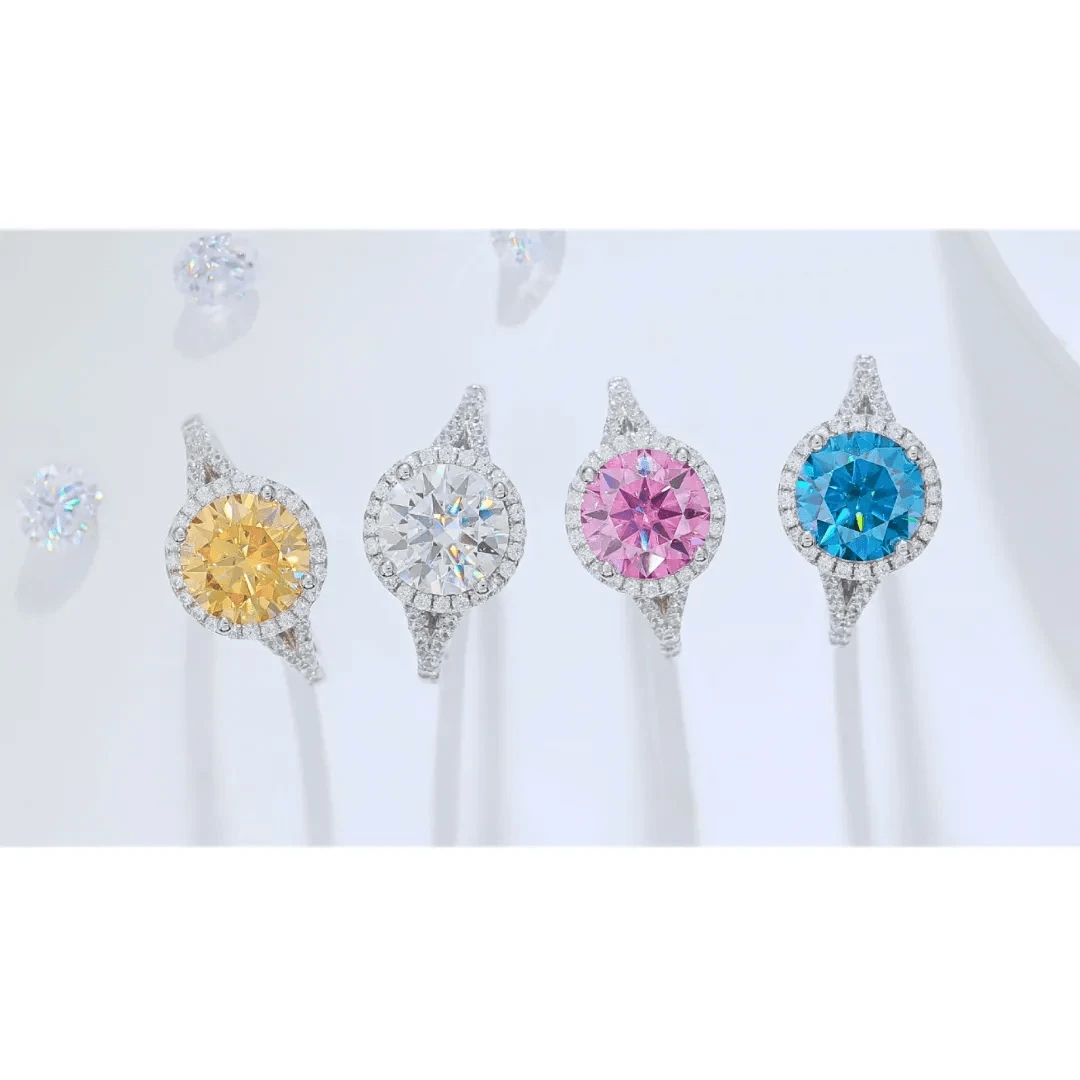
Choosing lab-created gemstones can feel like navigating a maze, but with the right information, you’ll emerge unscathed and sparkling. From understanding quality certifications to comparing prices with natural stones, this section will guide you through the essentials of selecting your perfect gem. So, let’s dive into the dazzling world of lab-grown diamonds and other created lab diamonds!
Evaluating Quality and Certifications
Look for reputable certifications from organizations like the Gemological Institute of America (GIA) or the International Gemological Institute (IGI), which assess factors such as cut, color, clarity, and carat weight. Understanding these grades will help you differentiate between what gemstones can be lab grown and ensure you're investing in high-quality cultured diamonds or laboratory diamonds that meet your standards.
Additionally, familiarize yourself with common terminology associated with created lab diamonds. Terms like Type IIa indicate exceptional purity in diamonds—something you definitely want to look for! Remember that just because a stone is labeled as “lab-produced” doesn’t mean it’s automatically top-notch; always check those certifications.
Comparing Prices with Natural Stones
One of the most appealing aspects of lab-grown gemstones is their price point compared to natural stones. Generally speaking, lab-created gems can be 20-40% less expensive than their natural counterparts—talk about a budget-friendly win! When comparing prices between laboratory diamonds and natural stones, consider factors such as size and quality; sometimes paying slightly more for a higher-grade stone can be worth it.
Moreover, don’t forget to factor in any additional costs associated with buying natural stones—like potential ethical concerns or sourcing fees—that might not apply when purchasing created lab diamonds. By keeping an eye on both price and ethical considerations, you'll make a more informed decision that aligns with your values.
Tips for Buying Lab-Grown Jewelry
Shopping for lab-grown diamond jewelry should be an enjoyable experience filled with excitement rather than stress! Start by doing some research on different retailers; online platforms often provide extensive information about what gemstones can be lab grown while showcasing a wide range of options available at competitive prices. Don’t hesitate to ask questions about their sourcing practices or return policies—after all, transparency is key!
Consider customization options too; many retailers offer personalized designs that allow you to create something uniquely yours using cultured diamonds or other precious gems. Lastly, trust your instincts—if something feels off about a purchase or if the gem doesn’t sparkle just right under various lighting conditions, keep searching until you find your perfect match.
Conclusion
In a world where sustainability and ethical considerations are becoming increasingly important, lab-grown gemstones offer a refreshing alternative to traditional natural stones. Understanding the value of these gems is essential, as they combine beauty with responsibility, making them an appealing choice for today’s conscientious consumers. From cultured diamonds to other lab-produced gems, the options are endless and can cater to diverse tastes while minimizing environmental impact.
Why Lab-Grown Gemstones Matter
Lab-grown gemstones matter because they provide a sustainable solution to the environmental issues associated with mining natural stones. With advancements in technology, diamond growing labs can create stunning diamonds that possess the same physical and chemical properties as their mined counterparts. Cultured diamonds are not just eco-friendly; they also eliminate concerns regarding unethical sourcing practices often linked to mined diamonds.
Making Informed Choices in Jewelry
When it comes to jewelry shopping, making informed choices is paramount, especially in understanding what gemstones can be lab grown versus those that come from nature. Lab diamonds often come with certifications that guarantee their quality and authenticity, giving buyers peace of mind about their purchase. By comparing prices between lab-created gems and natural stones, consumers can appreciate both the financial benefits and ethical advantages of choosing laboratory diamonds.
Embracing Individuality with DEDEJILL
Choosing lab-grown diamond jewelry allows individuals to express their unique style without compromising on ethics or quality. DEDEJILL offers a wide range of customization options for created lab diamonds, enabling customers to design pieces that reflect their personality perfectly. Embracing individuality through lab-produced diamonds means you can wear your values proudly while enjoying exquisite craftsmanship.