
Introduction
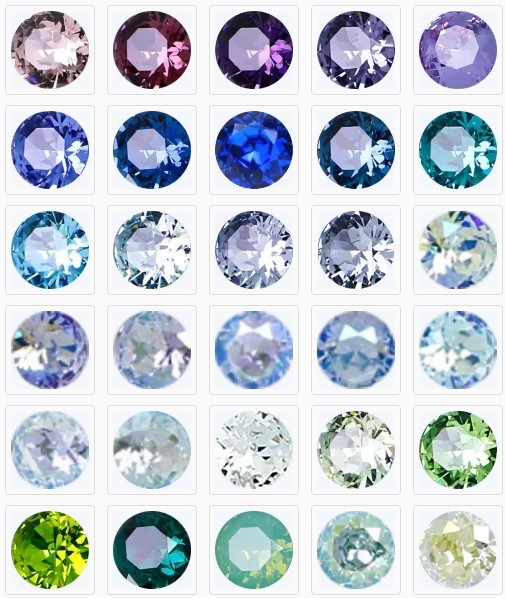
In the dazzling world of jewelry, synthetic stones have emerged as a captivating alternative to traditional natural stones. These lab-made gems not only offer stunning beauty but also come with a story rooted in science and innovation. As we explore the realm of gemstones and crystals, it becomes clear that understanding synthetic stones is essential for making informed choices in jewelry.
Understanding Synthetic Stones
Synthetic stones are crafted using advanced technology to replicate the natural processes that form gemstones and crystals deep within the Earth. Unlike their natural counterparts, these lab-made gems are created in controlled environments, allowing for greater consistency in quality and appearance. By grasping the concept of synthetic stones, consumers can appreciate their unique attributes and make educated decisions when selecting jewelry with gems.
The Science Behind Lab-Made Gems
The creation of lab-made gems involves intricate scientific processes that mimic nature's artistry while minimizing environmental impact. Techniques such as hydrothermal growth and chemical vapor deposition enable gemologists to produce stunning replicas of natural stones, often indistinguishable from their mined relatives. This scientific approach not only enhances our appreciation for gem colors but also showcases the remarkable advancements in technology shaping the future of gemstones and crystals.
Benefits of Choosing Synthetic Stones
Choosing synthetic stones over natural ones offers a plethora of benefits that appeal to both eco-conscious consumers and budget-savvy shoppers alike. One significant advantage is affordability; lab-made gems typically come at a lower price point without compromising on beauty or quality. Additionally, opting for synthetic gemstones means supporting sustainable practices within the jewelry industry, making it easier than ever to find unique pieces adorned with vibrant gem colors while being kind to our planet.
What Are Synthetic Stones?

Synthetic stones, often referred to as lab-made gems, are created in controlled environments using advanced technology that mimics the natural processes of gem formation. Unlike their natural counterparts, which take millions of years to develop beneath the Earth's surface, synthetic stones can be produced in a matter of weeks or months. This innovation has made synthetic stones increasingly popular among consumers seeking affordable and ethical alternatives to traditional gemstones and crystals.
Definition and Origin
The term synthetic stones encompasses a variety of man-made gems that possess the same chemical composition and physical properties as their natural counterparts. These gems are crafted through processes like hydrothermal growth or flame fusion, allowing gemologists to replicate the conditions under which natural gemstones form. The origin of synthetic stones dates back to the early 20th century when scientists first began experimenting with creating artificial gems, paving the way for today's vibrant market.
Differences from Natural Stones
While both synthetic stones and natural stones can dazzle with their brilliance, they do have distinct differences that set them apart. Natural stones are formed over eons through geological processes involving heat and pressure, while synthetic stones are engineered in laboratories where variables can be tightly controlled for optimal results. Additionally, lab-made gems often come with fewer inclusions and imperfections compared to their natural counterparts, making them attractive options for jewelry with gems.
Popular Types of Synthetic Stones
Some favorites include synthetic rubies, sapphires, emeralds, and diamonds—all known for their stunning gem colors and captivating allure. These lab-created gemstones not only provide consumers with beautiful options but also offer unique characteristics that make them stand out in the world of gems and crystals.
The Process of Creating Lab-Made Gems
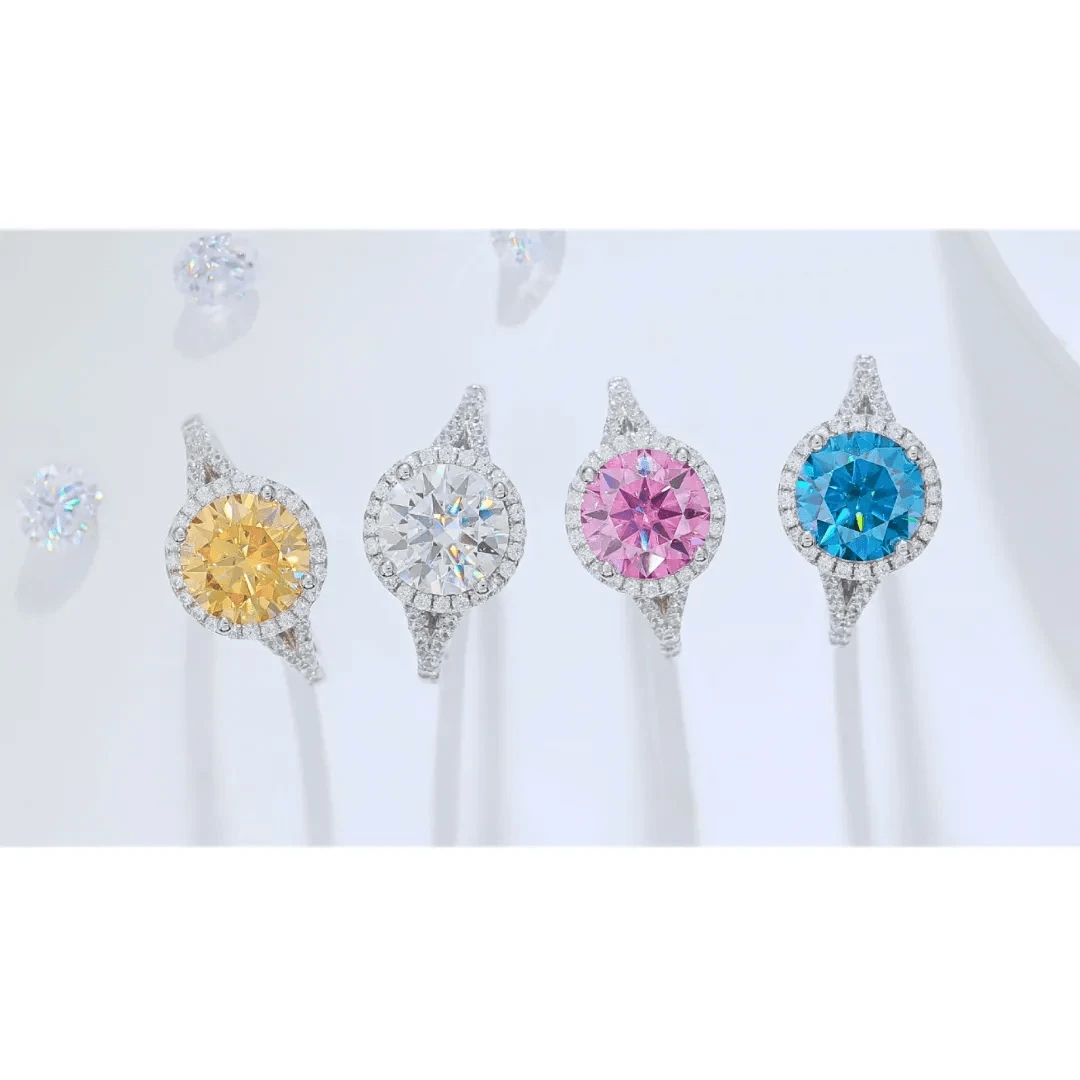
Creating lab-made gems is a fascinating blend of art and science, where technology meets creativity to produce stunning synthetic stones that rival their natural counterparts. These gems and crystals are crafted in controlled environments, ensuring precision and consistency that can be hard to achieve in nature. As consumers become increasingly aware of the benefits of synthetic stones, the process behind their creation has garnered significant interest.
Techniques Used in Gem Creation
There are several techniques employed in the creation of synthetic stones, each with its unique approach and benefits. One popular method is the Czochralski process, where a seed crystal is dipped into molten material, allowing it to grow as it’s slowly pulled upward. Another method is hydrothermal synthesis, which mimics the natural conditions under which gemstones form deep within the Earth, producing beautiful gem crystals that can be indistinguishable from natural stones.
These techniques not only allow for a wide variety of gem colors but also enable producers to create flawless pieces that may be difficult or impossible to find in nature. The advancements in technology mean that even rare gemstones can now be synthesized more efficiently than ever before. As a result, jewelry with gems made through these methods offers an appealing alternative for those who appreciate beauty without compromising on ethical considerations.
Key Players in the Synthetic Stone Industry
The synthetic stone industry has seen a surge in key players who are driving innovation and quality standards forward. Companies like Brilliant Earth and Moissanite International have established themselves as leaders by providing high-quality lab-made gems while promoting sustainable practices throughout their production processes. Additionally, DEDEJILL stands out by offering unique jewelry designs that feature these stunning synthetic stones, making them accessible to a broader audience.
These companies not only focus on creating exquisite gemstones and crystals but also emphasize transparency about their sourcing methods and environmental impact. With growing consumer demand for ethical options in jewelry with gems, these players are paving the way for a future where sustainable choices become mainstream. Their commitment to excellence ensures that every piece reflects both beauty and integrity.
Environmental Impact of Synthetic Gem Production
One of the most compelling reasons consumers gravitate towards synthetic stones is their reduced environmental impact compared to mining natural stones. Traditional gemstone extraction often leads to habitat destruction and significant ecological disruption; however, lab-made gems require far fewer resources and generate less waste during production. By choosing lab-made gems over mined alternatives, consumers can help minimize their carbon footprint while still enjoying stunning gem colors.
Moreover, many manufacturers are increasingly adopting eco-friendly practices throughout their operations—from using renewable energy sources during production to implementing recycling programs for materials used in crafting jewelry with gems. This commitment not only benefits our planet but also enhances the appeal of synthetic stones among environmentally conscious shoppers looking for beautiful yet responsible choices in gemstones and crystals.
In conclusion, understanding how lab-made gems are created sheds light on why they’re becoming increasingly popular among consumers who value both aesthetics and ethics—making them an excellent choice when selecting your next piece of jewelry.
Synthetic Stones in Jewelry
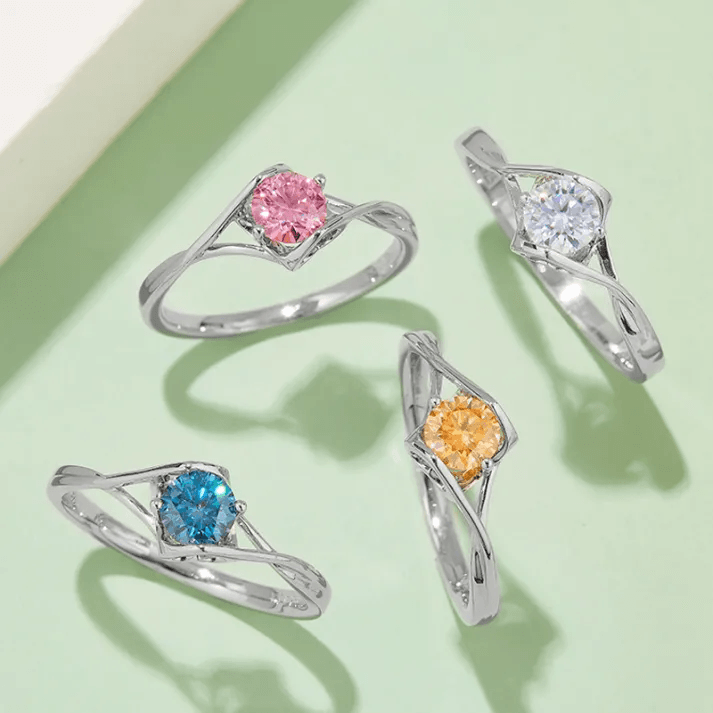
Synthetic stones are making waves in the jewelry world, offering a dazzling array of options for those seeking unique pieces. When you choose jewelry with gems, you're not just selecting an accessory; you're embracing a statement of style and individuality. Lab-made gems provide an ethical and often more affordable alternative to natural stones, allowing everyone to enjoy the beauty of gemstones and crystals without compromise.
How to Choose Jewelry with Gems
Choosing jewelry with gems can feel like navigating a treasure chest—exciting yet overwhelming! Start by considering your personal style: do you prefer bold colors or subtle elegance? Look for synthetic stones that resonate with your personality; whether it's vibrant blue sapphires or soft pink morganites, lab-made gems come in an endless variety of gem colors that can complement any outfit or occasion.
Next, think about the setting and metal used in the piece. The combination of synthetic stones with different metals can create stunning contrasts or harmonies that elevate your jewelry game. Lastly, don't forget to check the craftsmanship—quality matters! A well-crafted piece featuring gem crystals will shine brighter and last longer than its poorly made counterparts.
Popular Gem Colors and Their Meanings
Gem colors hold significant meanings that can add depth to your jewelry choices. For instance, deep red rubies symbolize passion and love, while serene blue sapphires are often associated with wisdom and tranquility. Whether you’re drawn to the vibrant hues of lab-made gems or the classic appeal of natural stones, understanding these meanings can help you select pieces that resonate on a personal level.
Green emeralds are linked to growth and renewal, making them perfect for those embarking on new journeys. Meanwhile, yellow citrines radiate positivity and joy—ideal for uplifting one’s spirit! With such rich symbolism behind various gem colors, each piece becomes more than just an accessory; it transforms into a meaningful token reflecting who you are.
DEDEJILL: A Leader in Unique Jewelry
When it comes to unique jewelry design featuring synthetic stones, DEDEJILL stands out as a trailblazer in the industry. Their commitment to quality craftsmanship ensures every piece is not only visually stunning but also ethically produced using lab-made gems. By focusing on innovative designs that incorporate both modern aesthetics and timeless elegance, DEDEJILL makes it easy for anyone to embrace the beauty of gemstones and crystals without sacrificing their values.
With an array of options ranging from elegant rings adorned with sparkling synthetic diamonds to colorful necklaces showcasing vibrant gem crystals, DEDEJILL offers something for everyone. Plus, their dedication to sustainability means you can wear their creations knowing they reflect conscientious choices regarding our planet's resources. So why settle for ordinary when you can adorn yourself with extraordinary pieces from DEDEJILL?
Comparing Synthetic and Natural Stones

When it comes to choosing between synthetic stones and natural stones, the decision often boils down to personal preference and values. Both options have their own unique allure, but they come with distinct advantages and disadvantages. Understanding these pros and cons can help you make an informed choice when selecting jewelry with gems that resonate with your style.
Pros and Cons of Each
Natural stones have been cherished for centuries for their beauty and uniqueness, each piece telling a story of its geological journey. However, they often come with higher price tags due to their rarity, which can make them less accessible for some buyers. On the other hand, synthetic stones offer a more affordable alternative without compromising on brilliance or quality; they are created in controlled environments that allow for perfect clarity and color saturation.
Yet, some purists argue that natural stones carry an intrinsic value that lab-made gems simply can't replicate. While synthetic stones are often flawless in appearance, critics say they lack the soul found in naturally occurring gemstones and crystals formed over millennia. Ultimately, your choice may hinge on whether you prioritize affordability or the rich history behind natural gemstones.
Cost Analysis: Are Synthetic Stones Cheaper?
One of the most compelling reasons people gravitate towards synthetic stones is their cost-effectiveness. Lab-made gems typically come at a fraction of the price compared to natural counterparts, making them an attractive option for budget-conscious shoppers who still want beautiful jewelry with gems that shine bright like diamonds—or sapphires or rubies! This affordability allows consumers to invest in larger pieces or even multiple items without breaking the bank.
Moreover, as technology continues to advance in gem creation techniques, prices for synthetic stones are likely to decrease further while maintaining high quality. This trend could shift market dynamics significantly as more people become aware of how reasonably priced these stunning alternatives can be compared to traditional gemstones and crystals. So yes, if you're looking for bang for your buck while still flaunting fabulous gem colors in your accessories, lab-made gems might just be your best bet!
Unique Characteristics of Synthetic Gem Crystals
Synthetic gem crystals possess several unique characteristics that set them apart from their natural counterparts. For starters, these lab-created beauties often exhibit superior clarity; being free from inclusions means they sparkle like nobody's business! Additionally, because they're engineered under controlled conditions, you can expect consistent colors across pieces—no more surprises when you finally receive that stunning blue sapphire ring you've been eyeing.
Another fascinating aspect is how quickly these gems can be produced—while natural stones take millions of years to form deep within the Earth’s crust, synthetic stones can be created in mere weeks or months! This rapid production not only meets consumer demand but also reduces environmental impact by minimizing mining activities associated with extracting natural gemstones and crystals from the earth’s surface. So whether you're drawn to vibrant gem colors or ethical considerations surrounding gemstone sourcing, lab-made options certainly deliver on multiple fronts.
The Future of Synthetic Stones
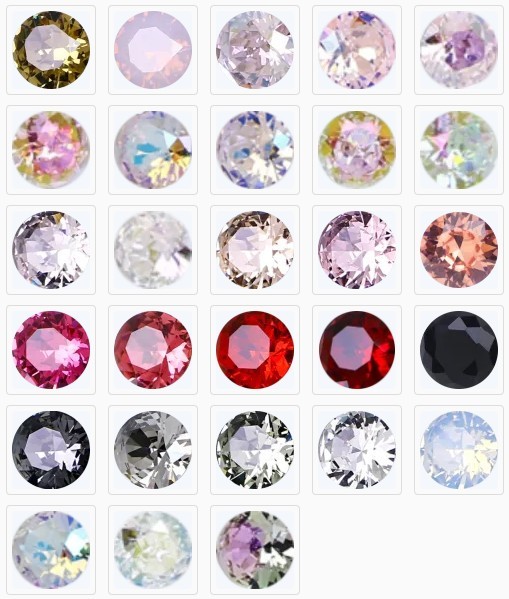
As we look to the future, synthetic stones are poised to revolutionize the jewelry market even further. Innovations in technology are making lab-made gems more accessible and diverse than ever before, allowing consumers to choose from a stunning array of gem colors and styles. With advancements in production techniques, the quality of synthetic stones is reaching new heights, making them an attractive option for both jewelers and buyers alike.
Innovations on the Horizon
The horizon for synthetic stones is bright with innovative processes that could change how we think about gemstones and crystals. For instance, new methods like chemical vapor deposition (CVD) are producing lab-made gems that boast clarity and brilliance rivaling their natural counterparts. These innovations not only enhance the aesthetic appeal of synthetic stones but also reduce production costs, making jewelry with gems more affordable for everyone.
Additionally, researchers are exploring ways to create unique gem crystals that mimic rare natural stones while maintaining ethical sourcing practices. This means you can enjoy beautiful jewelry without the guilt associated with mining natural stones that can harm the environment or exploit workers. As these technologies evolve, we can expect an explosion of creativity in design and craftsmanship within the synthetic stone market.
Market Trends in Gems and Crystals
The market trends indicate a growing acceptance of synthetic stones among consumers who value sustainability and ethical considerations when purchasing jewelry with gems. Lab-made gems are increasingly seen as a viable alternative to natural stones due to their lower environmental impact and often lower price points. As awareness spreads about the benefits of these gemstones and crystals, more people are likely to choose them over traditional options.
Moreover, millennials and Gen Z shoppers are leading this charge by prioritizing brands that align with their values—such as sustainability and transparency—when it comes to sourcing materials for jewelry with gems. Retailers have taken notice; many now offer extensive collections featuring vibrant gem colors made from lab-created materials alongside their natural counterparts. This shift not only reflects changing consumer preferences but also highlights a broader trend towards responsible luxury.
Ethical Considerations in the Gemstone Industry
Ethics play a pivotal role in shaping the future landscape of gemstones and crystals, particularly regarding how they’re sourced and produced. Synthetic stones provide a compelling alternative to natural stones by eliminating concerns related to unethical mining practices often associated with traditional gemstone extraction. By opting for lab-made gems, consumers can support sustainable practices while still enjoying exquisite jewelry pieces.
Furthermore, as regulations tighten around gemstone sourcing globally, brands like DEDEJILL are stepping up by committing to transparency throughout their supply chains—ensuring customers know exactly where their jewelry comes from. This commitment fosters trust between consumers and brands while encouraging responsible consumption habits within the industry at large. Ultimately, choosing synthetic over natural stones may not just be about aesthetics; it’s also about contributing positively to society.
Conclusion

In a world where choices abound, the allure of synthetic stones is hard to resist. They offer a blend of beauty, affordability, and ethical considerations that natural stones often can't match. As more consumers become aware of the benefits of lab-made gems, the question shifts from Why choose synthetic? to Why not?
Why Choose Synthetic Over Natural Stones?
Choosing synthetic stones over natural stones can be a game changer for many jewelry enthusiasts. Lab-made gems boast impeccable clarity and color consistency, often surpassing their natural counterparts in brilliance and durability. Plus, with no environmental degradation or unethical mining practices involved in their creation, synthetic stones provide peace of mind alongside stunning aesthetics.
The Growing Popularity of Lab-Made Gems
The rise in popularity of lab-made gems reflects a broader trend toward sustainability and ethical consumerism in the jewelry market. With vibrant gem colors that mimic or even exceed those found in nature, these gems have captured the hearts—and wallets—of modern shoppers seeking unique pieces without the hefty price tag associated with traditional gemstones and crystals. Social media buzz and celebrity endorsements have further propelled this trend, making lab-made gems a fashionable choice for all.
DEDEJILL’s Commitment to Unique Jewelry Design
At DEDEJILL, we pride ourselves on our commitment to crafting unique jewelry with gems that tell a story—whether they are made from synthetic stones or sourced from nature's bounty. Our designs highlight the stunning gem crystals available today while ensuring that each piece resonates with individual style and ethical values. By choosing DEDEJILL, you’re not just buying jewelry; you’re embracing an ethos that celebrates creativity and responsibility.