
Introduction

The color in diamonds scale plays a pivotal role in determining a diamond's beauty and value, influencing everything from engagement rings to luxury jewelry. As we journey through the world of diamonds, we'll also uncover what makes fancy colored diamonds unique and highly sought after.
Understanding Diamond Colors Explained
At first glance, a diamond may appear simply as a sparkling gem, but its color can tell you much more than meets the eye. The diamond color scale categorizes stones from completely colorless to various shades of hues, offering a spectrum that can be both fascinating and confusing. By grasping how these colors are evaluated on the diamond scale, buyers can better appreciate their options and make choices that resonate with their personal style.
The Importance of the Color in Diamonds Scale
The importance of the color in diamonds scale cannot be overstated; it serves as a foundational element for evaluating a diamond's quality and worth. Colorless diamonds are typically more valuable due to their rarity and desirability, while colored diamonds bring their own charm and appeal to the table. Understanding where a diamond falls on the colorless diamond scale or within fancy colors helps buyers navigate pricing and selection effectively.
What Makes Fancy Colored Diamonds Unique
Fancy colored diamonds stand out not just for their vibrant hues but also for their rarity and individual character. Unlike traditional white or colorless stones that follow strict grading criteria, fancy colored diamonds offer an artistic flair with variations in hue, tone, and saturation that can captivate any admirer. This uniqueness allows wearers to express themselves through these extraordinary gems while also elevating their jewelry collection beyond conventional standards.
A Dive Into the Diamond Scale
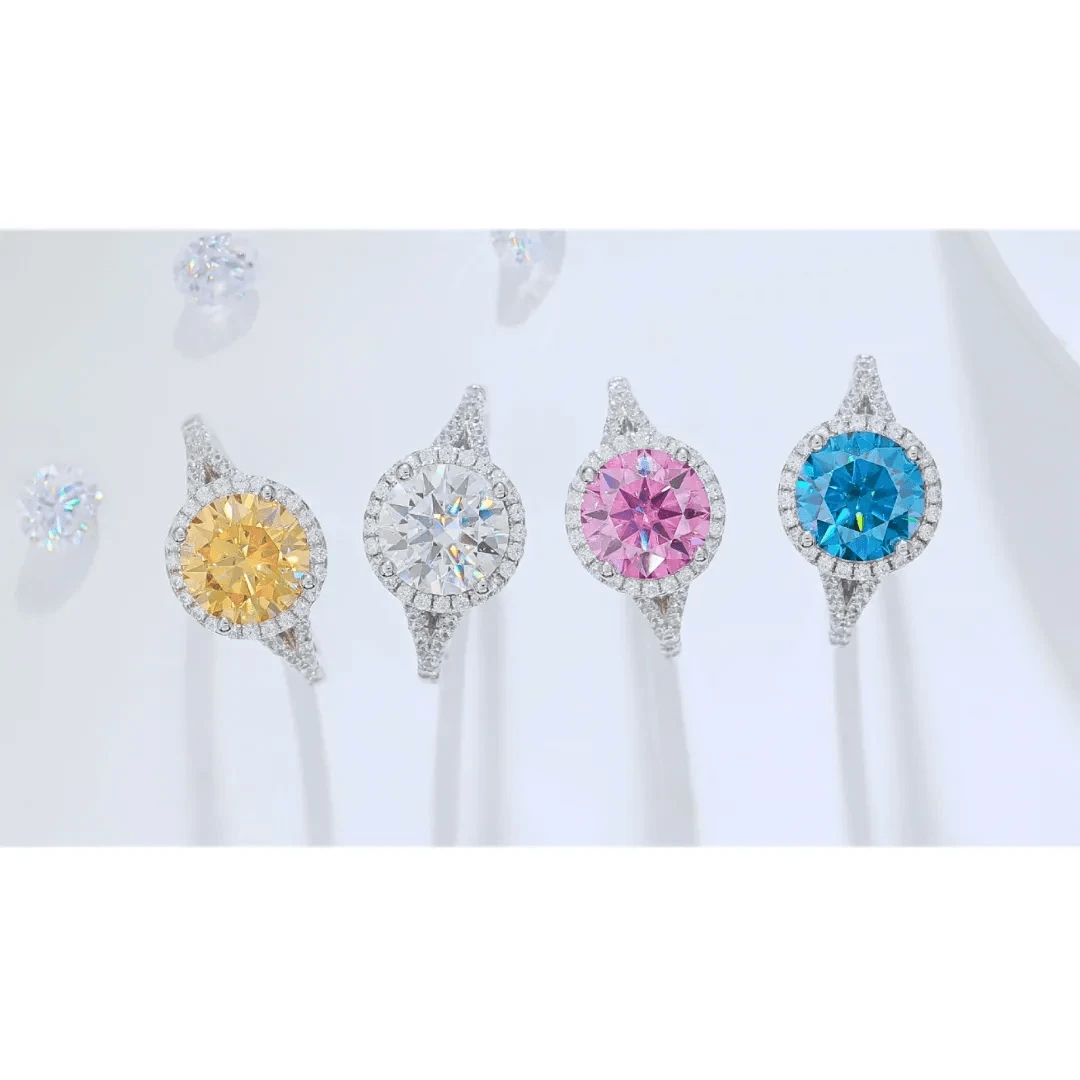
Understanding the intricacies of the diamond scale is essential for anyone looking to purchase a diamond, whether it's a classic engagement ring or an extravagant piece featuring fancy colored diamonds. The color in diamonds scale can significantly influence both aesthetics and value, making it crucial to grasp its nuances. Let’s break down the basics of this vital aspect of diamonds.
The Basics of the Diamond Color Scale
The diamond color scale is a systematic way to categorize and evaluate the shades found in diamonds, ranging from completely colorless to those with noticeable hues. This scale typically starts at D (colorless) and goes down to Z (light yellow or brown), with each letter representing a subtle shift in hue that can be detected by trained eyes. By understanding these classifications, buyers can make informed decisions about their diamond color preferences and effectively navigate through options available on the market.
Colorless Diamond Scale: What You Need to Know
When we talk about the colorless diamond scale, we're referring specifically to diamonds rated from D to F on the grading system—these are considered top-tier selections for their lack of any discernible color. Diamonds within this range exhibit exceptional brilliance and sparkle because they allow light to pass through them without interference from any tinting hues. Buyers often gravitate toward these options due to their timeless appeal; however, they come at a premium price compared to lower-graded stones.
How the Diamond Scale Affects Value
Generally speaking, as you move from D (colorless) down towards Z (light yellow), there’s a corresponding decrease in value—meaning that more colorful diamonds tend to be less expensive than those that are completely devoid of hue. However, it's important not just to focus solely on price; fancy colored diamonds can command high values depending on their rarity and saturation levels, adding another layer of complexity when evaluating overall worth based on color in diamonds scale.
The Science Behind Diamond Color
Understanding the science behind diamond color is crucial for anyone looking to purchase a diamond, whether it's a colorless gem or one of the stunning fancy colored diamonds. The interplay of light and the characteristics of the diamond itself creates a spectrum of colors that can significantly influence its beauty and value. In this section, we will delve into how light affects diamond colors explained, the nuances between hue, tone, and saturation, and how professionals measure these factors using established standards like the diamond color scale.
The Role of Light in Diamond Color
Light plays a pivotal role in how we perceive diamond colors explained. When light enters a diamond, it interacts with its internal structure, leading to various optical phenomena such as reflection and refraction. This interaction not only enhances the brilliance of colorless diamonds but also highlights the unique hues found in fancy colored diamonds, making them truly captivating.
The quality and type of light can dramatically change how a diamond appears; natural sunlight may showcase different aspects compared to artificial lighting. For instance, warm incandescent bulbs can enhance warmer tones in diamonds while cooler fluorescent lights may accentuate blue or green undertones. Understanding this relationship between light and color in diamonds scale helps consumers make more informed choices when selecting their perfect stone.
Understanding Hue, Tone, and Saturation
When discussing diamond colors explained, it’s essential to grasp the concepts of hue, tone, and saturation as they form the foundation of the diamond color scale. Hue refers to the actual color itself—such as yellow or pink—while tone describes its darkness or lightness on a gradient scale from black to white. Saturation measures how intense or vivid that hue appears; for instance, a pure red is highly saturated compared to a washed-out pink.
In terms of value on the colorless diamond scale versus fancy colored diamonds, saturation often plays an influential role. A fancy colored diamond with high saturation can be worth significantly more than one with lower saturation levels despite having similar hues. Therefore, understanding these elements allows buyers to appreciate what makes each stone unique within their respective categories on the diamond scale.
Measuring Color: GIA and Beyond
To ensure consistency in evaluating diamonds' colors explained across different markets and regions, organizations like GIA (Gemological Institute of America) have established rigorous standards for measuring color on both the colorless diamond scale and for fancy colored diamonds alike. GIA uses precise criteria that assess hue, tone, and saturation through detailed grading systems that help buyers understand where their chosen stone stands on the spectrum.
The GIA's grading system assigns letters from D (colorless) through Z (light yellow), providing clarity about where each gemstone fits within this range—essentially acting as your guidebook through the complex world of colors in diamonds scale. For fancy colored diamonds specifically, GIA employs additional classifications based on their unique hues which further enriches our understanding of these gems' beauty.
In conclusion, knowing how measurements are made offers significant insights into making knowledgeable purchases while navigating both traditional clear stones as well as vibrant fancy options available today.
Choosing the Right Color for Your Ring

The diamond colors explained can help you navigate the intricate nuances of the diamond color scale, which ranges from completely colorless to vibrant hues. While many gravitate towards the classic allure of a colorless diamond, fancy colored diamonds offer a unique flair that can be just as captivating.
Colorless vs. Fancy Colored Diamonds
The color in diamonds scale categorizes gems based on their hue, with colorless diamonds sitting at one end and richly colored fancy diamonds at the other. Colorless diamonds, graded on the diamond colorless scale, are often preferred for their timeless elegance and versatility in settings. However, fancy colored diamonds bring an entirely different aesthetic; their striking colors can reflect personal style and individuality that a traditional stone may not convey.
Choosing between these two categories ultimately depends on personal preference and intended symbolism behind the ring. If you're leaning towards a classic look that pairs well with any outfit or occasion, then a colorless diamond might be your best bet. On the other hand, if you want something that stands out and tells a story through its unique hue, then exploring fancy colored diamonds could lead you to your dream ring.
Popular Choices Among Buyers
Many still favor D-F graded stones for engagement rings due to their pristine clarity and brilliance—a hallmark of high-quality gemstones on the diamond scale. However, there's been an increasing interest in shades like yellow or pink among couples looking for something more distinctive.
Fancy colored diamonds have gained traction as they allow individuals to express their uniqueness while also making bold fashion statements. Buyers often gravitate towards vibrant yellows or deep blues because these colors not only stand out but also offer a sense of rarity that enhances their value over time according to market trends in gemology. Regardless of which category you choose from—colorless or fancy—understanding what resonates with you personally is key to making an informed decision.
Customization Options at DEDEJILL
At DEDEJILL, customization options abound when it comes to choosing your ideal diamond ring based on your preferences regarding color in diamonds scale! You can select from an extensive range of shapes and settings tailored specifically for both colorless and fancy colored stones alike—ensuring that your choice reflects who you are as an individual while adhering closely to current design trends within jewelry fashion circles!
Whether you're captivated by a classic round brilliant cut or drawn toward an exquisite pear-shaped pink diamond set in rose gold—DEDEJILL offers endless possibilities! Our knowledgeable staff will guide you through each step—from understanding how different shades affect overall aesthetics down to finalizing details like band material—all while keeping those all-important factors around quality intact!
Common Misconceptions About Diamond Colors

When it comes to understanding diamond colors explained, there are several misconceptions that can lead buyers astray. Many people believe that all diamonds are either completely colorless or fancy colored, overlooking the vast spectrum of hues in between. This misunderstanding can impact choices significantly when navigating the color in diamonds scale.
Debunking Myths Surrounding the Colorless Scale
One prevalent myth is that only D-grade diamonds on the colorless diamond scale are worth purchasing. In reality, diamonds graded from D to F can still appear stunningly colorless to the naked eye, making them excellent choices for those on a budget. Additionally, many buyers mistakenly think that any hint of color diminishes a diamond's beauty; however, subtle tones can enhance its uniqueness and charm.
Another misconception is that clarity and cut overshadow the importance of diamond color. While these factors certainly play significant roles in a diamond's overall appeal, neglecting the nuances of the diamond scale can result in missed opportunities for finding a truly beautiful stone. Understanding how various grades within the diamond colorless scale affect appearance and value is essential for making informed decisions.
The Truth Behind Fancy Color Preferences
Fancy colored diamonds often come with their own set of myths as well. One common belief is that these vibrant stones are only for those who want to stand out or make a bold statement—this couldn't be further from the truth! Many buyers appreciate fancy colored diamonds for their unique beauty and personal significance, regardless of whether they prefer traditional styles or more avant-garde designs.
Moreover, there's an assumption that all fancy colors are equally valuable; however, this is not always true! The rarity of specific hues like blue or pink adds to their desirability and price point on the market compared to more common shades like yellow or brown. Understanding how different colors affect value within the broader context of the diamond scale allows buyers to make smarter investments.
How to Avoid Common Mistakes
To navigate potential pitfalls when selecting your ideal stone, it's crucial to arm yourself with knowledge about both the diamond color scale and your personal preferences. One common mistake is purchasing based solely on trends rather than what resonates with you personally; remember that your choice should reflect your style and taste!
Additionally, evaluating diamonds under various lighting conditions will help you better understand how each stone interacts with light—this is vital when assessing its true beauty across different environments. Lastly, seeking expert guidance from reputable jewelers like DEDEJILL ensures you avoid costly missteps while exploring stunning options available within both colorless and fancy colored diamonds.
Tips for Buying Diamonds with Color

When it comes to purchasing diamonds, especially colored ones, being well-informed can make a world of difference. Understanding the nuances of diamond colors explained will help you navigate the complex color in diamonds scale with confidence. Here are some essential tips to ensure you make the right choice.
Evaluating Diamonds in Different Lighting
Lighting plays a crucial role in how diamond colors are perceived, so it's essential to evaluate your options under various lighting conditions. Natural light, fluorescent light, and incandescent light can all highlight different aspects of a diamond's color and brilliance. By examining diamonds across these environments, you'll gain a clearer understanding of how they fit into the broader diamond color scale and which hues resonate most with you.
It's also important to remember that certain fancy colored diamonds may look more vibrant or muted depending on the lighting, affecting their overall appeal. For instance, a yellow diamond might appear more vivid in sunlight but less so under artificial lights. Therefore, take your time and inspect each stone thoroughly; after all, finding the perfect shade is key to making an informed decision about your investment.
Prioritizing Personal Preference Over Trends
While trends can provide inspiration when selecting a diamond color, personal preference should always be at the forefront of your decision-making process. The allure of trendy colors might tempt you to choose something that doesn’t truly resonate with your style or personality; this is where understanding diamond colors explained becomes invaluable. Remember that this piece will likely hold sentimental value for years to come—choose what makes your heart sing!
Moreover, trends can shift quickly; what’s popular today may not be tomorrow. Instead of chasing fleeting fads within the colorless diamond scale or among fancy colored diamonds, focus on what genuinely appeals to you and fits your lifestyle. This approach ensures that your choice remains timeless and cherished for generations.
Seeking Expert Guidance from DEDEJILL
Navigating the intricate world of diamonds can be overwhelming—especially when considering factors like hue and saturation within the diamond scale. This is where expert guidance from DEDEJILL comes into play! Their knowledgeable team specializes in helping customers understand both traditional and fancy colored diamonds while providing insights into how these elements affect value.
Consulting with professionals who are well-versed in the nuances of the colorless diamond scale can enhance your buying experience significantly. They’ll help demystify any confusion surrounding different shades and tones while guiding you toward options that align with both personal taste and budget considerations. So don’t hesitate—reach out for expert advice that will empower you to make confident choices!
Conclusion
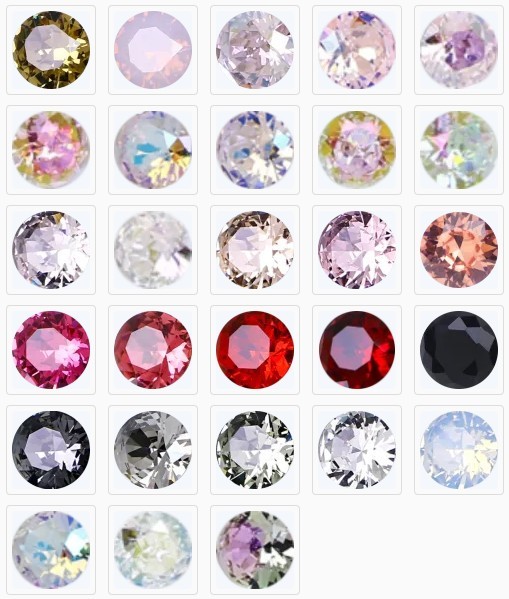
In summary, understanding diamond colors explained is essential for anyone looking to invest in these precious stones. The color in diamonds scale plays a pivotal role in determining not just the aesthetic appeal but also the value of a diamond. Whether you're drawn to the classic allure of the colorless diamond scale or the vibrant hues of fancy colored diamonds, knowledge is your best ally.
Recap of Key Points on Diamond Colors Explained
Throughout this guide, we've explored the intricacies of the diamond color scale, shedding light on how it influences both beauty and pricing. We've highlighted that while colorless diamonds are often deemed more valuable, fancy colored diamonds bring their own unique charm and desirability to the table. By grasping these concepts, you can make more informed decisions when selecting your perfect gem.
Making Informed Choices Using the Diamond Color Scale
When navigating through various options on the diamond scale, it's crucial to prioritize personal taste alongside technical specifications. Understanding how each grade within the colorless diamond scale affects overall value allows you to align your choices with your budget and preferences effectively. Armed with this knowledge, you'll feel empowered to choose a diamond that truly resonates with your style.
Embracing Unique Styles with Fancy Colored Diamonds
Fancy colored diamonds offer an exciting opportunity to express individuality and creativity in jewelry design. They come in a spectrum of captivating colors that can reflect personal stories or significant moments in life. So whether you're captivated by deep blues or vibrant pinks, embracing unique styles with fancy colored diamonds ensures that your piece is as distinctive as you are.